
Gardening Tasks To Do In The Winter
After a long season of gardening, winter is a time for relaxing, recovering, and preparing for the next season. Although it’s too cold to grow a lot outside, there are still things to go that will support future gardens. Whether you’re getting ready to start your first garden or just looking for ways to support your garden this winter, these tasks will help you prepare for spring.
Prep Garden Spaces
Cleaning up your garden spaces is a great way to prep your space for next season’s garden. We prefer to do this in the fall/early winter, which won’t disturb the insects that are burrowing in the soil and leaves. When you’re removing old plants from your garden beds, cut the plants at the soil level, leaving the roots intact. The roots will break down over the winter and your soil won’t be disturbed. Pack up any trellises, irrigation lines, and plant pots. If you plan on starting new garden spaces, consider using no till practices, which don’t disrupt your soil. We prefer laying down cardboard, then a layer of compost, and topping it with a layer of natural mulch. This breaks down the grass and weeds and creates a nutrient rich soil after a few months. Winter is the perfect time to start new garden beds so they’re ready for seedlings in the spring.

Clean Plant Pots
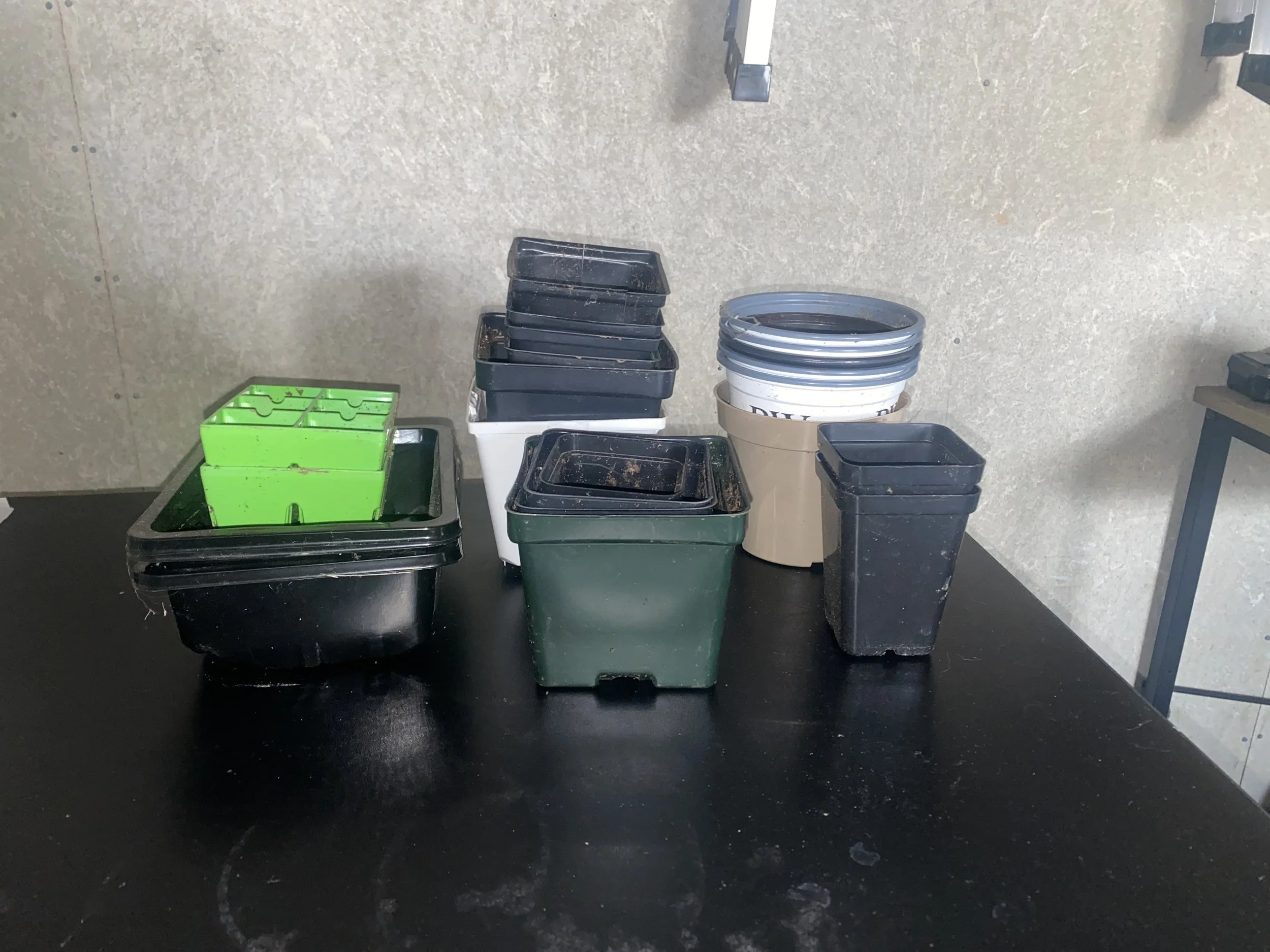
If you buy plants from a nursery, you likely have a ton of plant pots sitting around. We like to keep all of these pots to use for seed starting and repotting plants each spring. It’s important to clean out the pots between plants so there is no disease transmission and new plants have access to healthy soil. Winter is the perfect time to clean these pots since you likely aren’t using many of them. To clean them, water is usually enough, but you can also use a sponge to scrape anything off. Let them dry before stacking them and storing them away.
Plan Next Season’s Garden
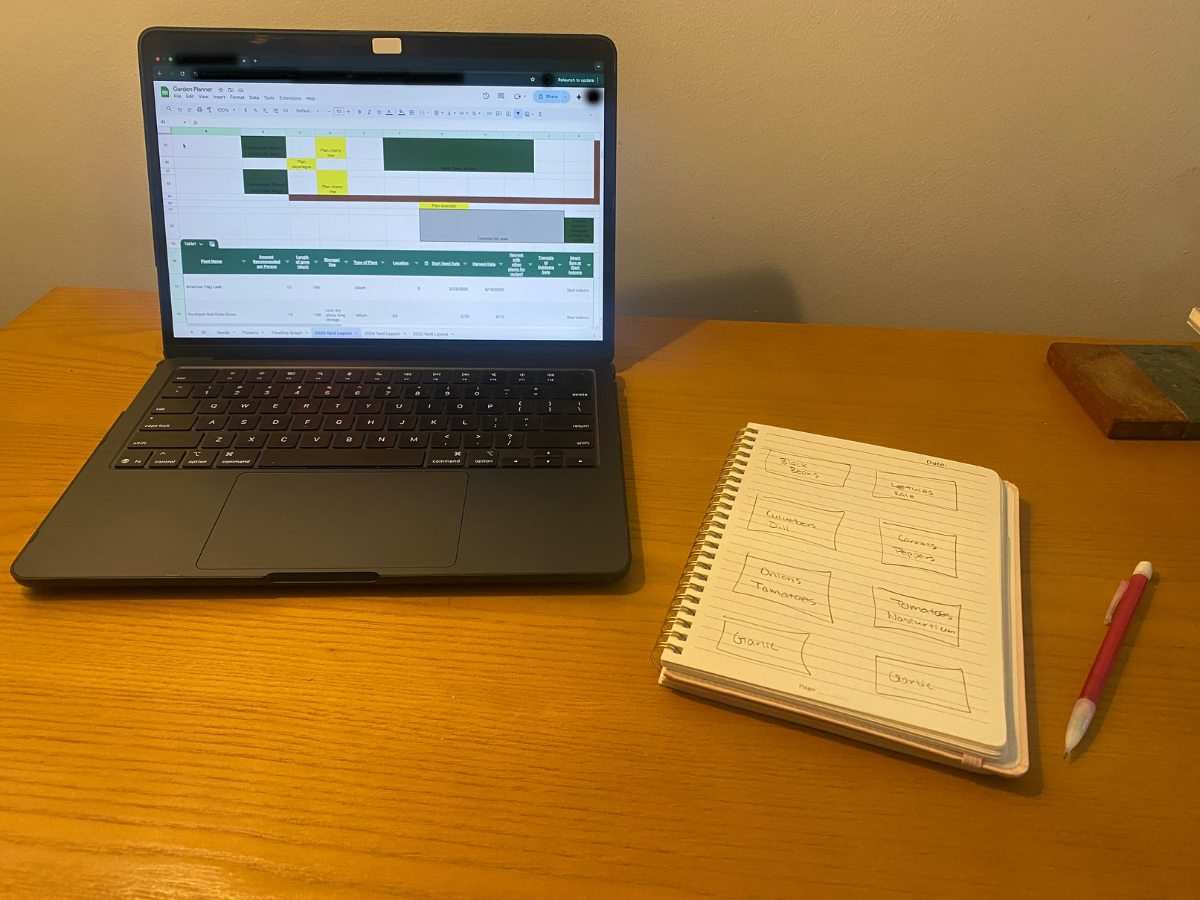
Winter is the best time to plan next season’s garden. We tend to grow the same fruits and vegetables each year, but we use rotation planting to replenish nutrients in the soil each year. Planning out the rotations helps ensure the proper nutrients are replenished in each garden space before the next plants go in. It’s also fun to add in new plant varieties, so we keep some areas open for experimental grows. Writing out your garden plans is helpful for keeping on schedule during the busier growing season and having a record of what grew well vs. didn’t. Some gardeners choose to keep a notebook, but we prefer a spreadsheet, so we can filter through past garden data.
If you have a small garden space and want help maximizing your space, check out Small Space Gardening: How to Maximize Your Harvests with Less Space.
Organize and Order Seeds
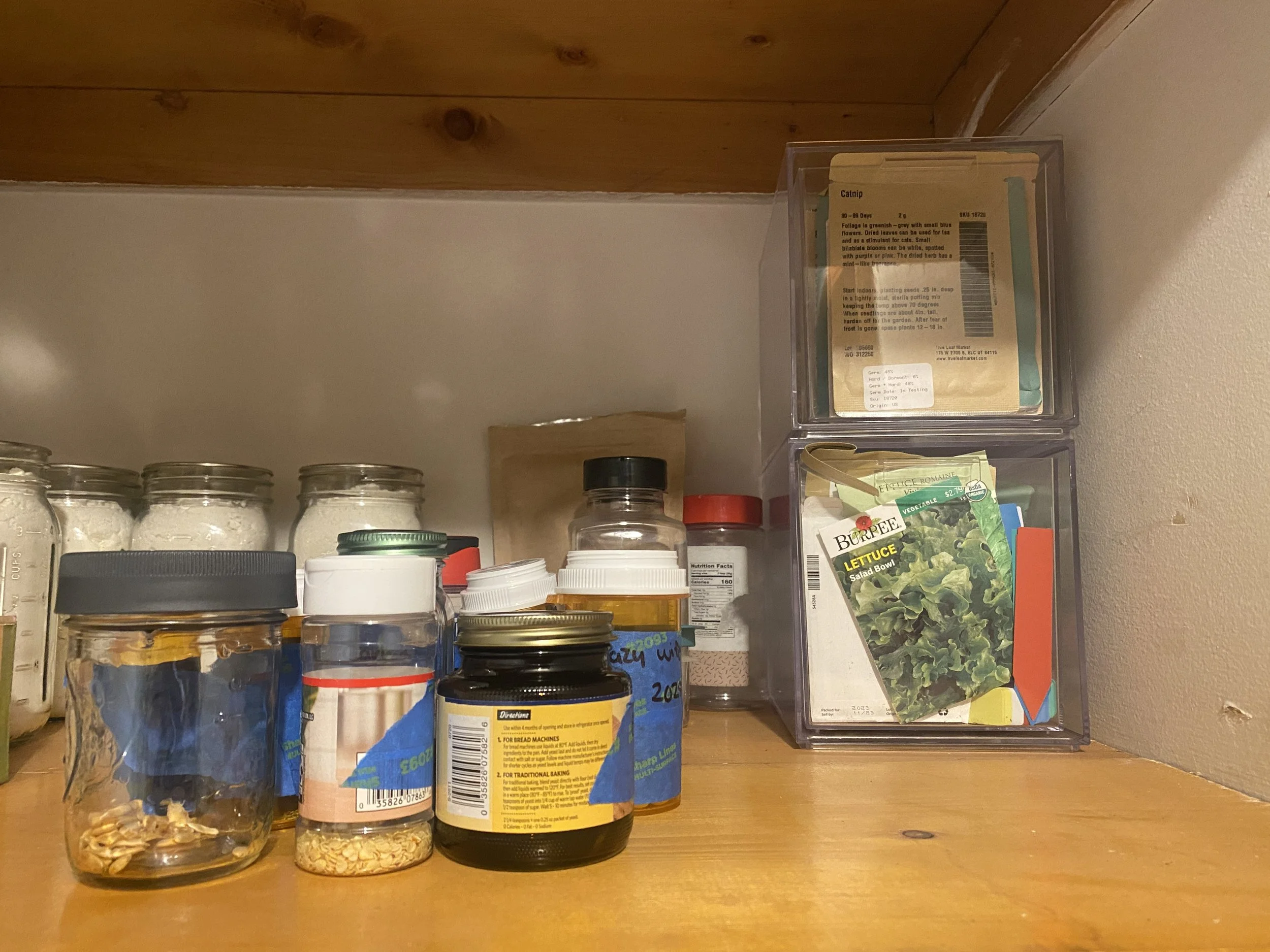
Now that you have your garden space planned out for next season, it’s time to make sure you have the seeds you’ll need. If you have any seeds leftover from last season, organize and label all of them so you can see your full inventory. Seeds should be stored in a cool, dry place, where they will not be exposed to any sunlight. Look through your seed collection and see if you have enough seeds for each plant you want to grow next season. If not or you just need new seeds, shop around and order your seeds during the winter so you’re prepared to start growing everything in the spring. Seeds can be purchased online, but be sure to check out your local garden store for native plant options.
Sharpen Tools
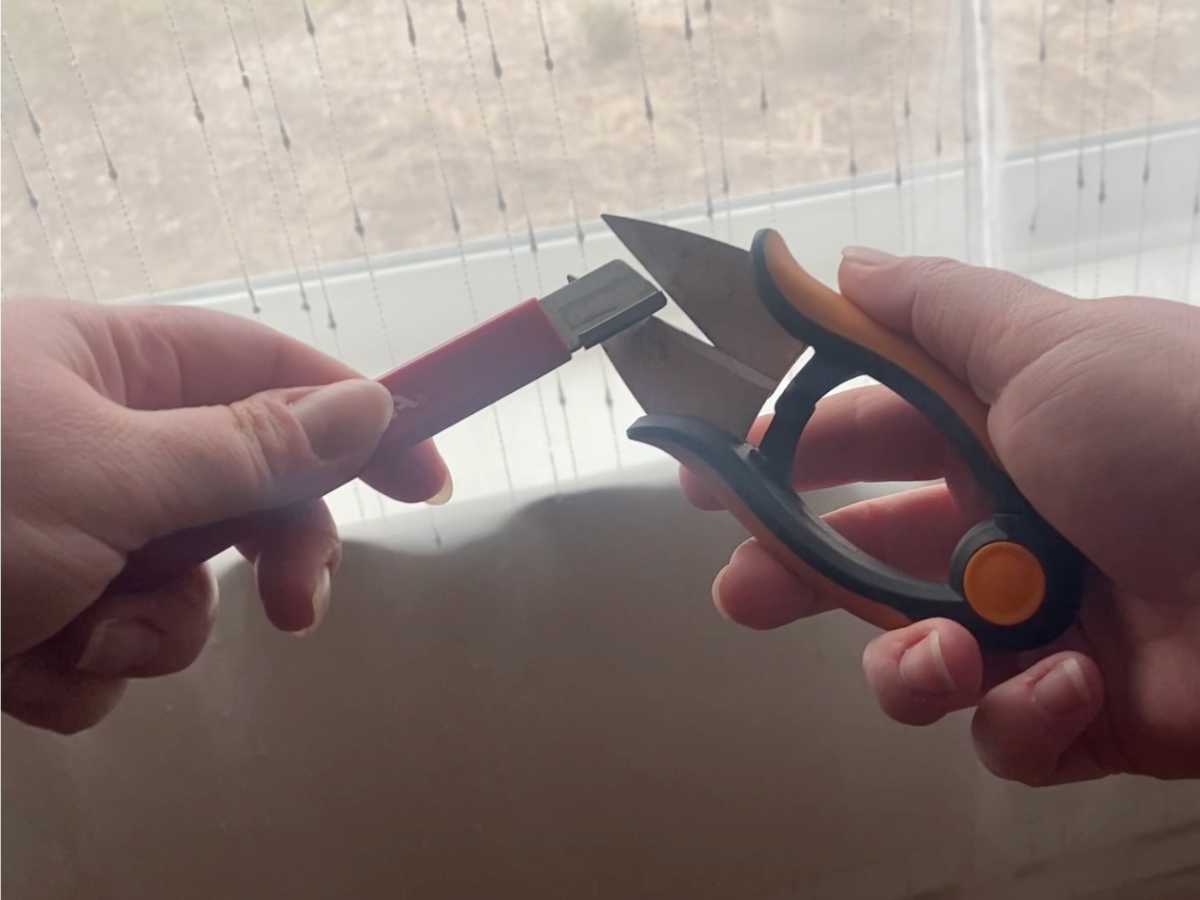
When managing a garden, you’ll end up with a lot of tools stored away. Whether you’re using a garden knife, trimmers, or loppers, any tool with a blade will eventually wear down. Sharpening the blades on your tools will preserve them for longer and make future tasks easier. You can get a blade sharpening tool and do this yourself or check local garden stores for sharpening services.
Take Time to Rest
Winter is a great time to tend to these tasks before it gets busy with next season’s garden, but it’s also important to take time to rest. Gardening takes a lot of effort and the spring and summer tend to get a lot busier once everything is growing. Take the time to rest and recover this winter so you’re physically and mentally prepared for next season’s garden.
You May Also Like
About The Authors
The Votana Garden began with a desire to live more sustainably and grow our own food, flowers, and herbs. We started with no experience and have learned one season at a time. We share tips and practical insights to help make gardening and sustainable living feel possible for everyone.

Winter is a great time to rest and prepare yourself for the upcoming year. Complete these garden tasks this winter so your garden is ready for the spring.