
4 Reasons Why You Should Leave the Leaves
Do you spend hours cleaning up your leaves every fall? Stop letting those leaves go to waste. They play a crucial part in supporting the wildlife in your area, plus it’s fantastic for your soil. While most of our neighbors are bagging up their leaves in paper bags, we’re leaving ours alone so the birds, bees, and other insects can use them. Leaves are where your future pollinators are sleeping over the winter. Here are a few reasons that leaving the leaves supports a good ecosystem in your backyard. Plus, we’ll share some tips on how to easily manage all of your leaves this fall.
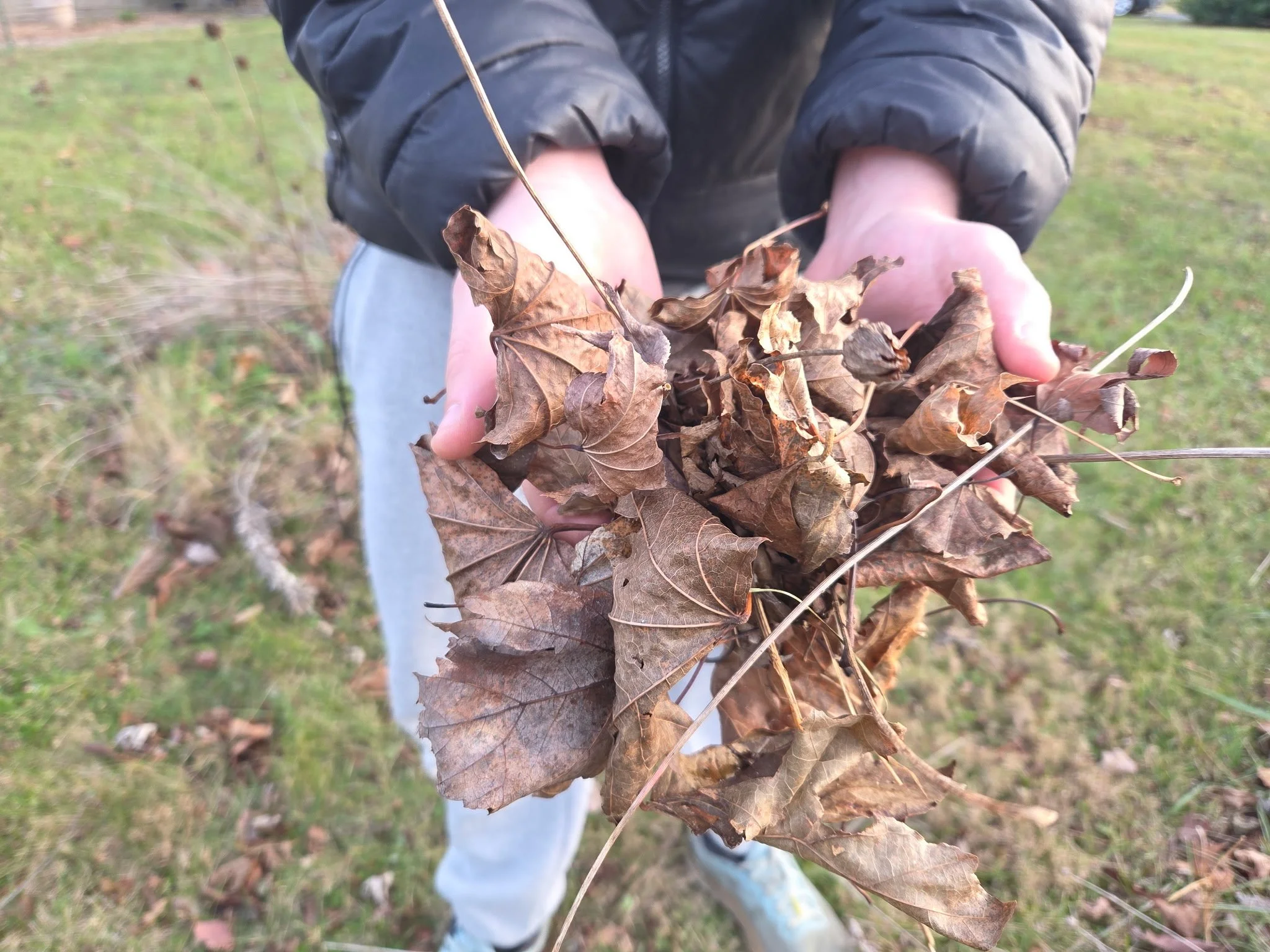
Leaves Create a Natural Habitat
When you leave the leaves in your yard, you are providing a mini ecosystem for numerous bugs and insects to live in. Throughout the fall and winter, butterflies, beetles, moths, bees, spiders, and other beneficial insects rely on that leaf cover to survive colder temperatures. While you may not think you need these insects, they are crucial pollinators if you have a garden and an essential part to a healthy ecosystem in your area. Butterflies and moth chrysalises or pupae attach to leaves and overwinter buried between leaf layers. Solitary bees sometimes nest in the top layers of leaf litter. Fireflies live under leaf litter and other decaying organic matter. Even ladybugs and ground beetles, which are crucial predators that eat harmful insects, hibernate under your leaves. If you are moving or removing your leaves, you are disturbing all of these insects and you may even be harming them. By simply leaving everything to break down naturally, you can help all of these little creatures.
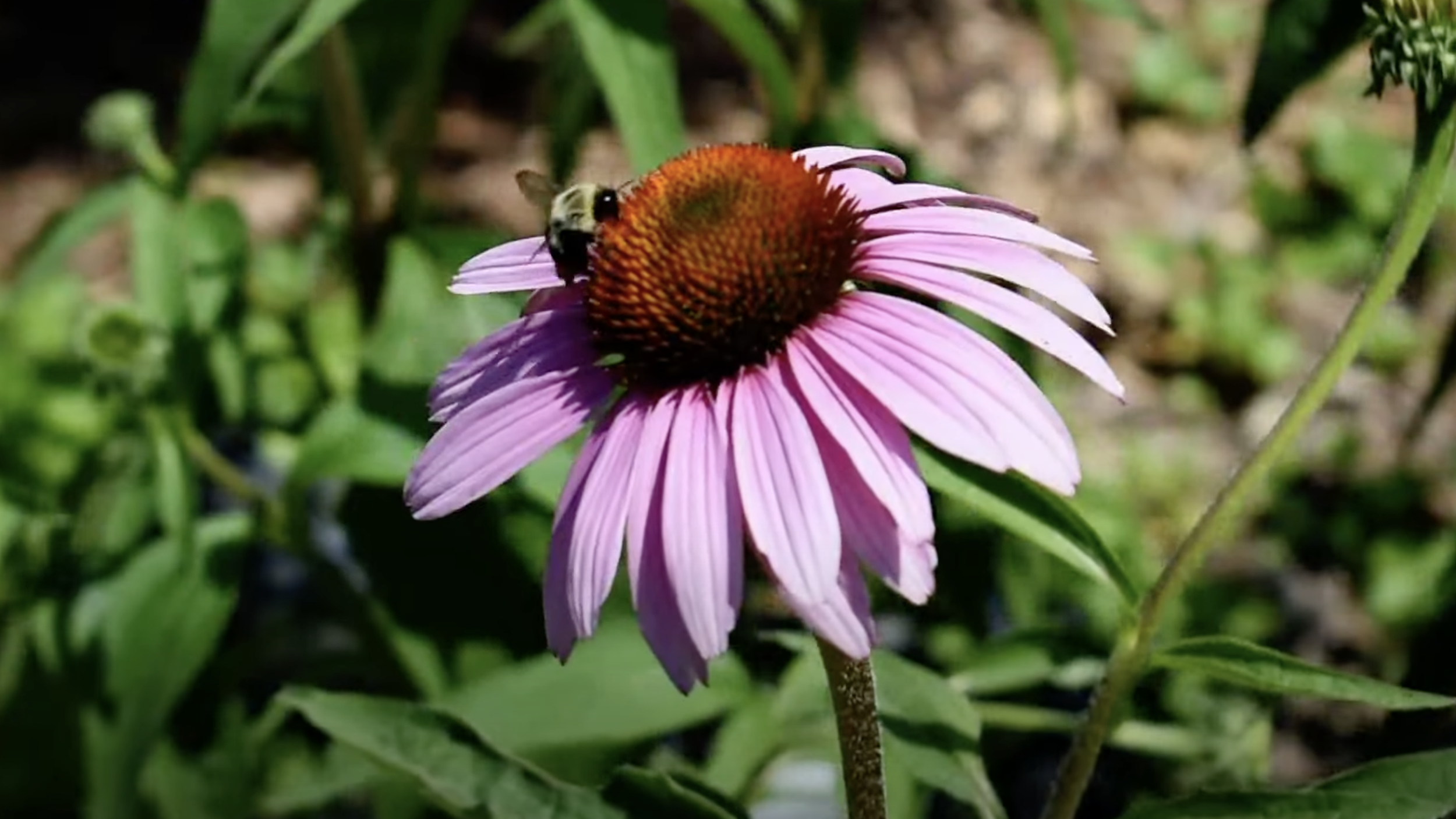
Leaves Provide Food to Birds and Wildlife
While some birds migrate during the winter, there are plenty of birds and other wildlife that are still living near you during the colder months. Without many plants growing, wildlife rely on insects as a portion of their winter food source. Without leaves to protect those insects, the options for food sources begin to decrease. There are even smaller wildlife that use leaf cover for warmth and protection from predators. Leaving the leaves protects this vital food chain, which is a crucial part of a healthy local ecosystem.
Leaves Enrich Your Soil
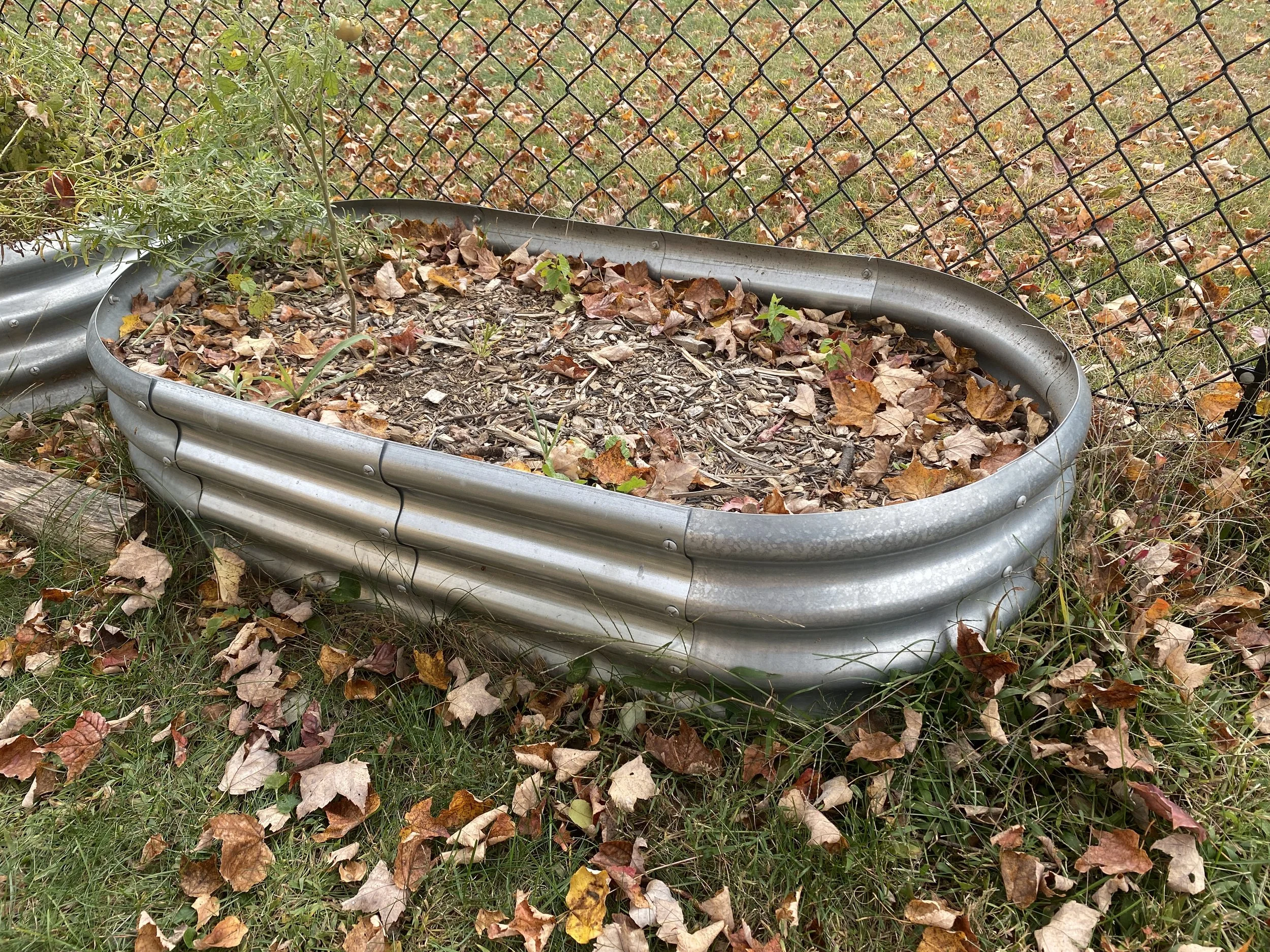
Once it starts raining or snowing, your leaves will start to get soggy and break down into the earth. It might seem like a mess, but it’s actually enriching your soil and keeping it healthy during the cold months. Leaves break down, turning into a natural fertilizer that adds organic matter back to your soil. The leaves also conserve moisture and regulate soil temperature throughout the winter, meaning you have better soil structure and less issues with cracking and drainage. Leaves also make a fantastic mulch and are a great choice for any garden spaces in your yard.
Removing Leaves is Harmful to the Environment
Whether you are raking, leaf blowing, or bagging the leaves, it is destroying an essential habitat for so many things. Using a leaf blower disrupts soil ecology and directly harms all of those beneficial insects that are living among the leaf layers. Bagging leaves and sending them to the landfill causes them to decompose anaerobically, which means they are emitting methane. While they might seem like a nuisance, removing the leaves does more harm than good to your soil fertility, wildlife, and local ecosystem.
How to Leave the Leaves
If you’re choosing to leave the leaves, remember why you’re doing it. Other people might think it looks messy, but it’s protecting crucial insects and wildlife and supporting a healthy ecosystem. Although best practice is to leave the leaves where they fall, there are a few ways that you can manage the leaves if you have any concerns.
Moving the leaves to designated areas, such as garden beds, under trees, or around plants, is a great option to repurpose the leaves into mulch, while maintaining a more clean aesthetic. You can also create towers out of cattlegate where you can pile all of the leaves into designated areas to break down naturally. This is a good option if you live in a very windy area because all of the leaves are protected inside the cattlegate tower. For any of these methods, try to move the leaves as soon as they fall to protect any insects already living in them. If you have the space, consider adding a “wild corner”, where you leave everything untouched. It’s a good option to test out the practice and you will be surprised by how many more insects you see in your yard. When we moved into our first home, we didn’t see any fireflies during the summer. After a year of improving biodiversity in our yard and letting things break down naturally, we started to see fireflies every single night of the summer. Plus, more and more beneficial insects, like ladybugs and bees, started to show up and help support our vegetable and flower gardens.
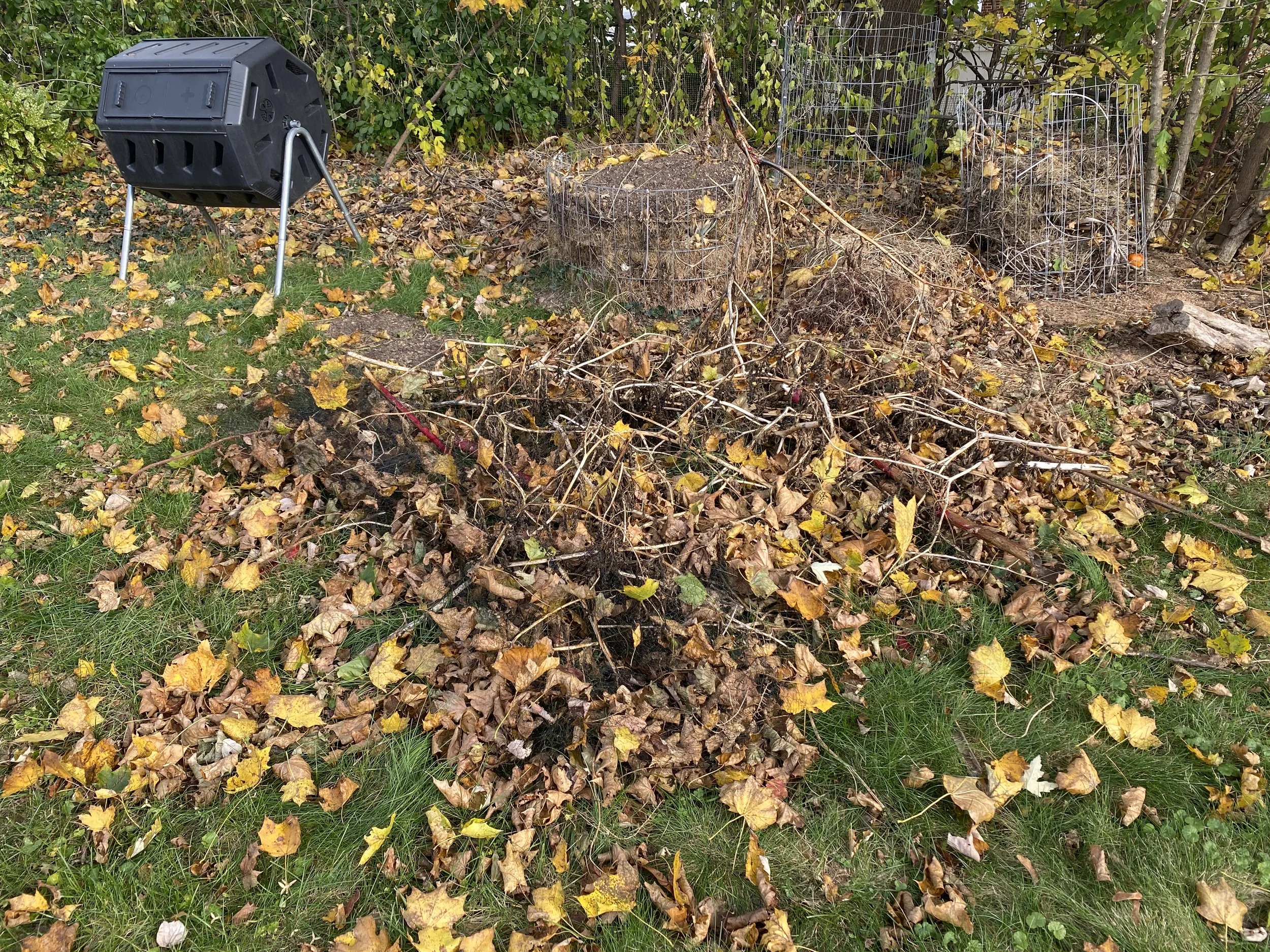
If you have any areas with very wet or heavy leaf coverage, consider spreading the leaves out a bit more to prevent mold and mildew. You should also remove any diseased leaves, which can spread those diseases to other plants in your area.
Supporting a Sustainable Fall Clean Up
Leaving the leaves is one of the easiest ways to support your local pollinators and wildlife, and it won’t cost you anything. Let nature do its thing and help rebuild your local ecosystem, while giving you more time to focus on other tasks. You’ll be surprised by the results after leaving your leaves for just one year. Let us know what you think!
You May Also Like
About the Authors
The Votana Garden began with a desire to live more sustainably and grow our own food, flowers, and herbs. We started with no experience and have learned one season at a time. We share tips and practical insights to help make gardening and sustainable living feel possible for everyone.

Winter is a great time to rest and prepare yourself for the upcoming year. Complete these garden tasks this winter so your garden is ready for the spring.