
How to Reduce Food Waste: 6 Easy Methods to Try at Home
How many times have you gone through your kitchen and found spoiled food or old leftovers that are no longer edible? You’re not alone. The average American household throws out about 2.1 pounds of edible food and 3 pounds of inedible food parts per week, according to a MITRE/Gallop study. Food waste is not just a household problem. There is a lot of waste along the production and supply chain processes, but adjusting our household behaviors can prevent a lot of this waste from ending up in a landfill. As a household that prioritizes sustainability, we have tested a number of methods to reduce our food waste. Here are the six methods that have worked best for us.
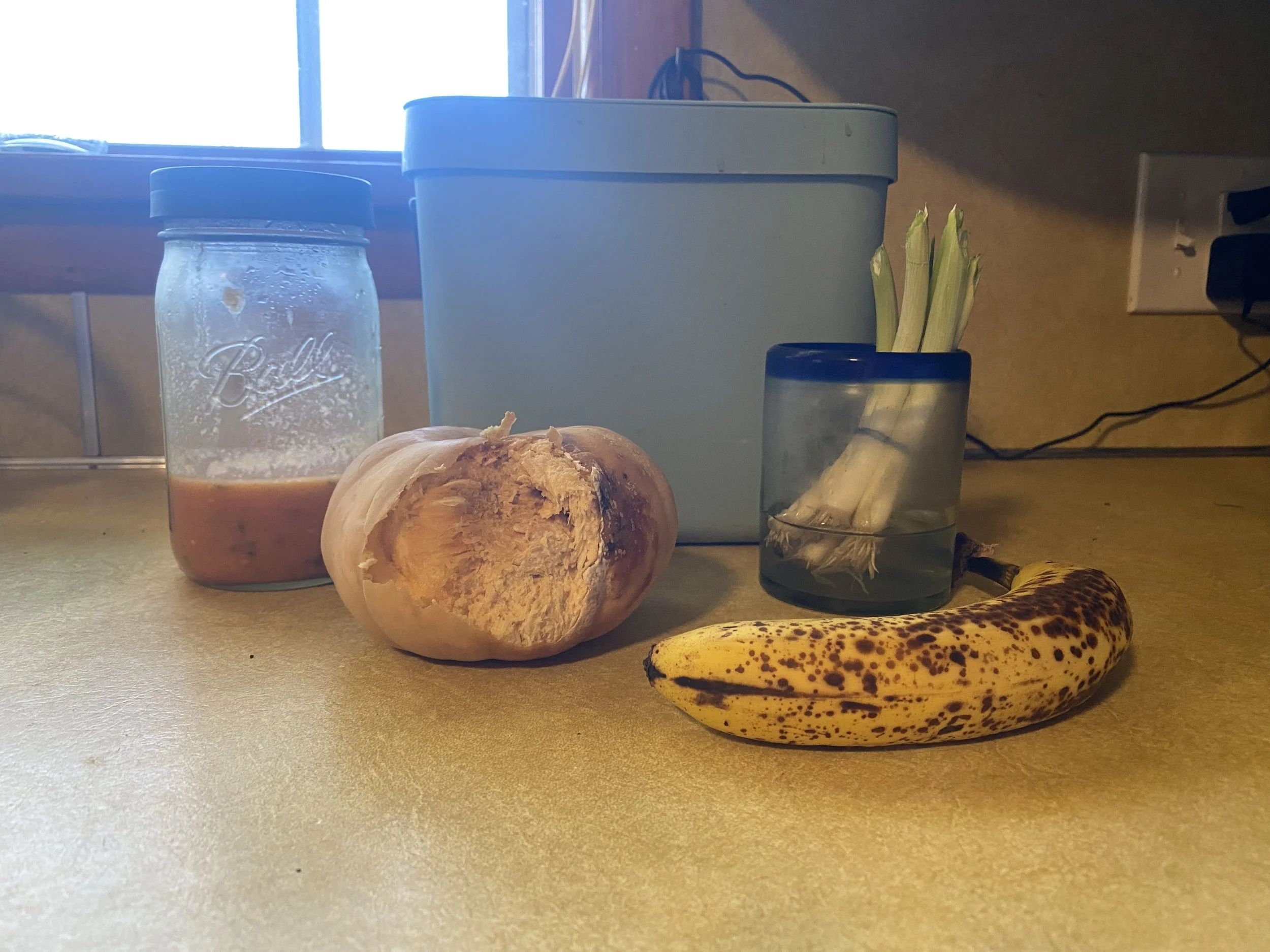
What is Food Waste
Food waste is edible food, intended for consumption, that is wasted or discarded at some point in the food supply chain. Food waste can come from anything like expiring or spoiling products, throwing away food left on your plate at dinner, or food that is wasted due to cosmetic imperfections. In the United States alone, 30-40% of the food supply is wasted each year, which creates approximately 133 billion pounds of food waste according to the U.S. Department of Agriculture. Food waste causes severe damage to our environment by contributing to climate change through methane emissions, wasting natural resources, and degrading our land, both during production and when food waste is dumped in a landfill. Small actions can make a large impact, so try out these 6 methods for reducing food waste at home.
Method 1: Meal Planning and Intentional Purchasing
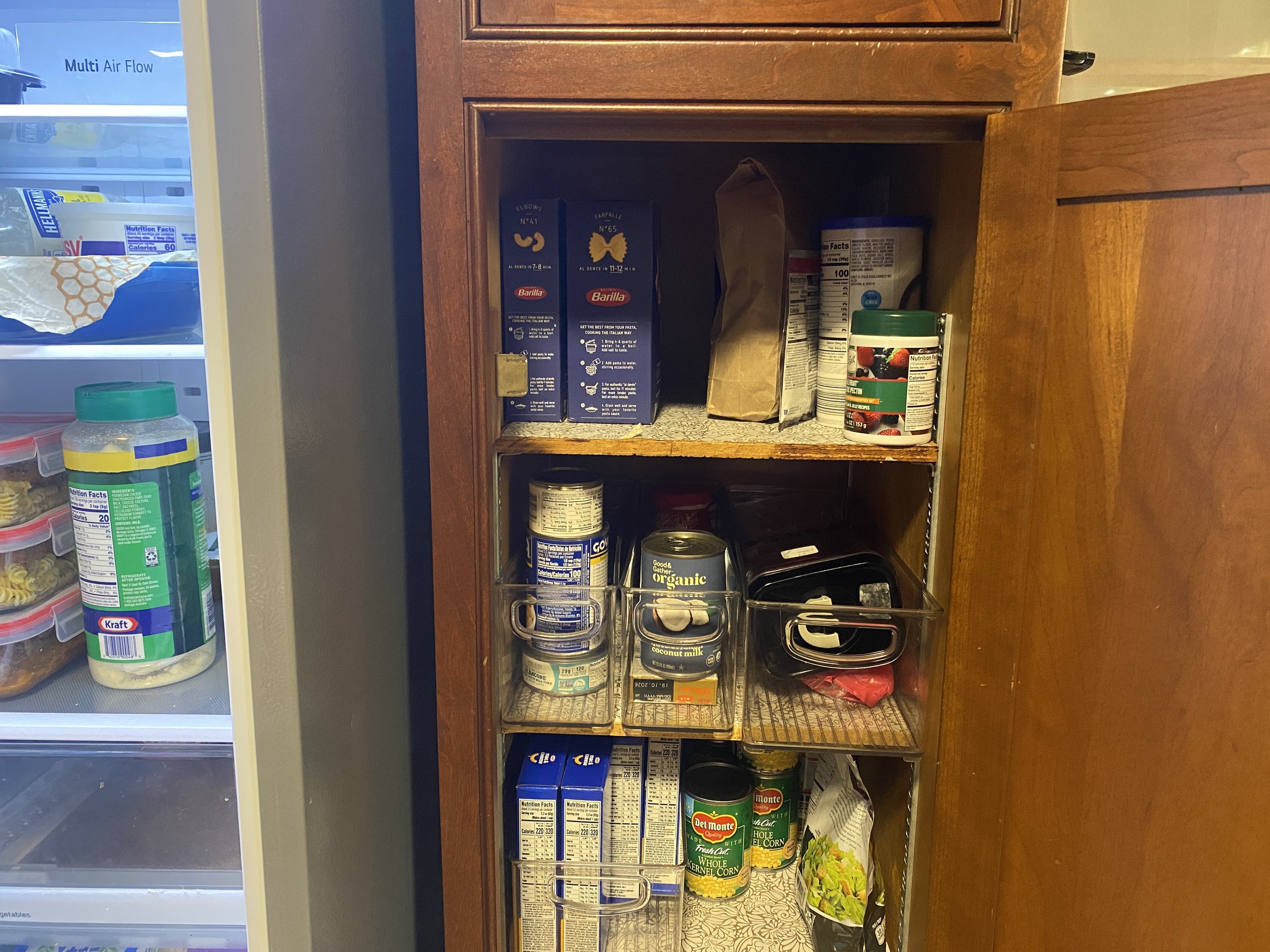
Meal planning is an easy way to reduce your food waste and make sure you have healthy and delicious meals for you and your family. Meal planning doesn’t have to mean you plan every single meal. We prefer a broader weekly meal plan, which usually includes 2 breakfast options, 2 lunch options, and 4 dinner options each week. Before you start planning your meals or writing your grocery list, go through your cabinets and fridge and take note of any foods that are close to expiring or spoiling. Incorporate those ingredients into your meal planning first so you aren’t wasting items you already have. Once you have your meal plan set, make a grocery list that outlines every single item you need. This will help you save money at the store and make it less likely that your food will spoil.
If available, try to purchase package free items that align with your grocery list. If you don’t have a bulk food store near you, many grocery stores offer loose fruits and vegetables and they are often cheaper than the packaged options. Product packaging contributes to a large portion of municipal waste. While it’s not considered food waste, it still contributes to a lot of environmental issues. Buying packaged products is unavoidable, so try to recycle, reuse, or reduce packaging as often as possible.
Method 2: Eat Locally and Seasonally
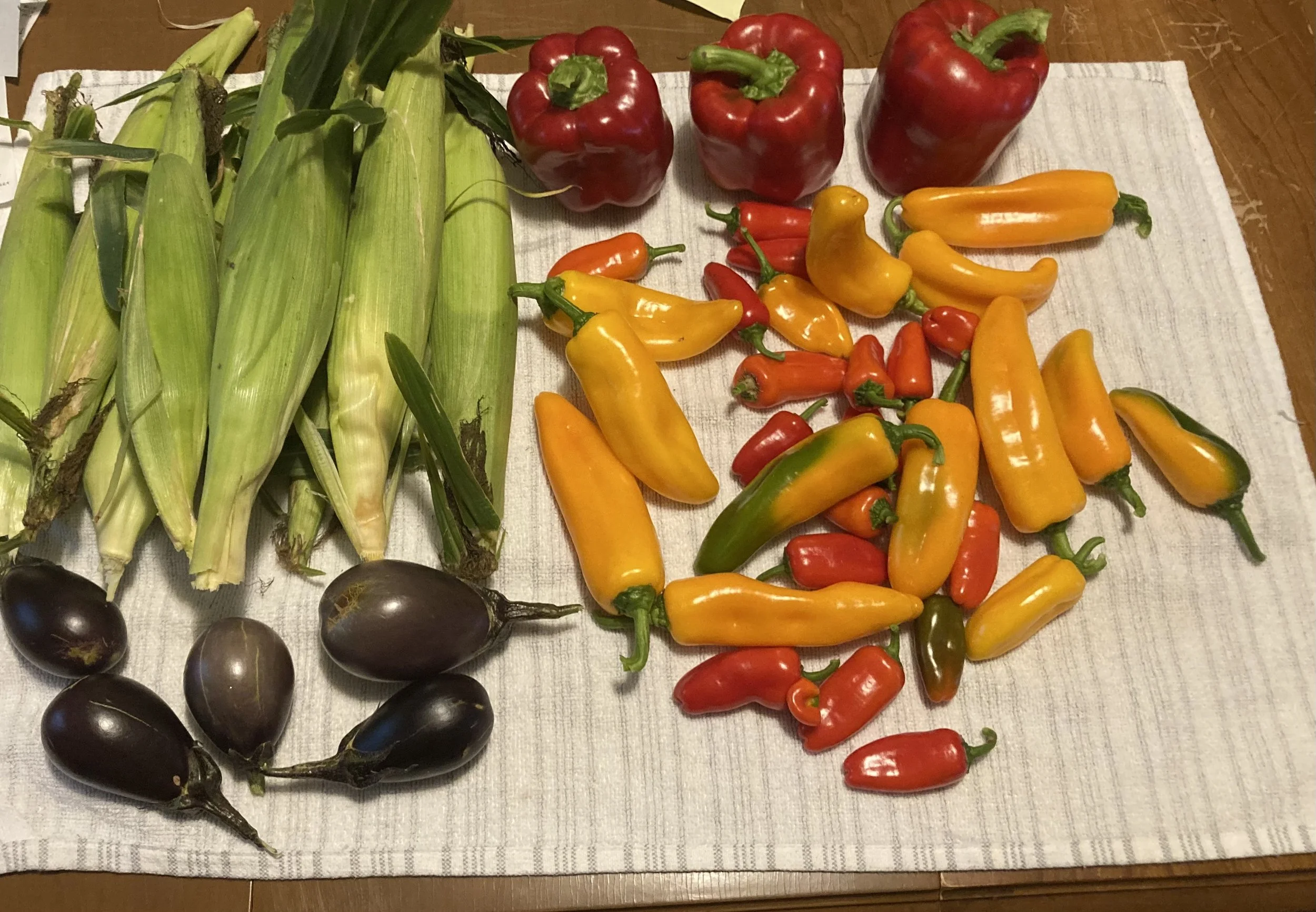
A lot of the food in the U.S is transported long distances before it gets to your local grocery store. According to NCAT, fresh produce travels over 1,500 miles on average before being consumed. That is a lot of energy and waste just for one vegetable. To help combat those transportation effects, consider buying your produce locally, either at a farmer’s market, through a co-op, or with a local farm’s CSA program. Local food often tastes better than what you get at the grocery store because the items will be in season when you purchase them. Eating seasonally and locally will also introduce you to a vast number of fruit and vegetable varieties that you won’t find at a traditional grocery store. When produce is grown for mass production, farmers often choose to grow plant varieties that will grow abundantly and store well during the transportation process. This means you are missing out on a ton of delicious fruits and vegetables, just because they won’t last in storage for weeks or months at a time. If you don’t think there will be a big difference, purchase some heirloom tomatoes from a local farm and compare them to what you can get at a grocery store. Once you try it, you’ll never look at a grocery store tomato the same. Mass produced fruits and vegetables are sometimes even picked early so it won’t spoil during the transportation process. Some of that produce doesn’t get the proper time to fully develop it’s flavor. Next time you are meal planning, try to incorporate as many in season items as you can so you can enjoy tastier produce, spend less money, and reduce the carbon emissions for your groceries.
Gardening is a fantastic way to enjoy locally grown food and it’s like having a grocery store right in your backyard. If you can’t or don’t want to garden, there are plenty of people in your community that love to grow food. Check local farmers markets or farms to see if you can get your produce from them.
Method 3: Store Ingredients Appropriately
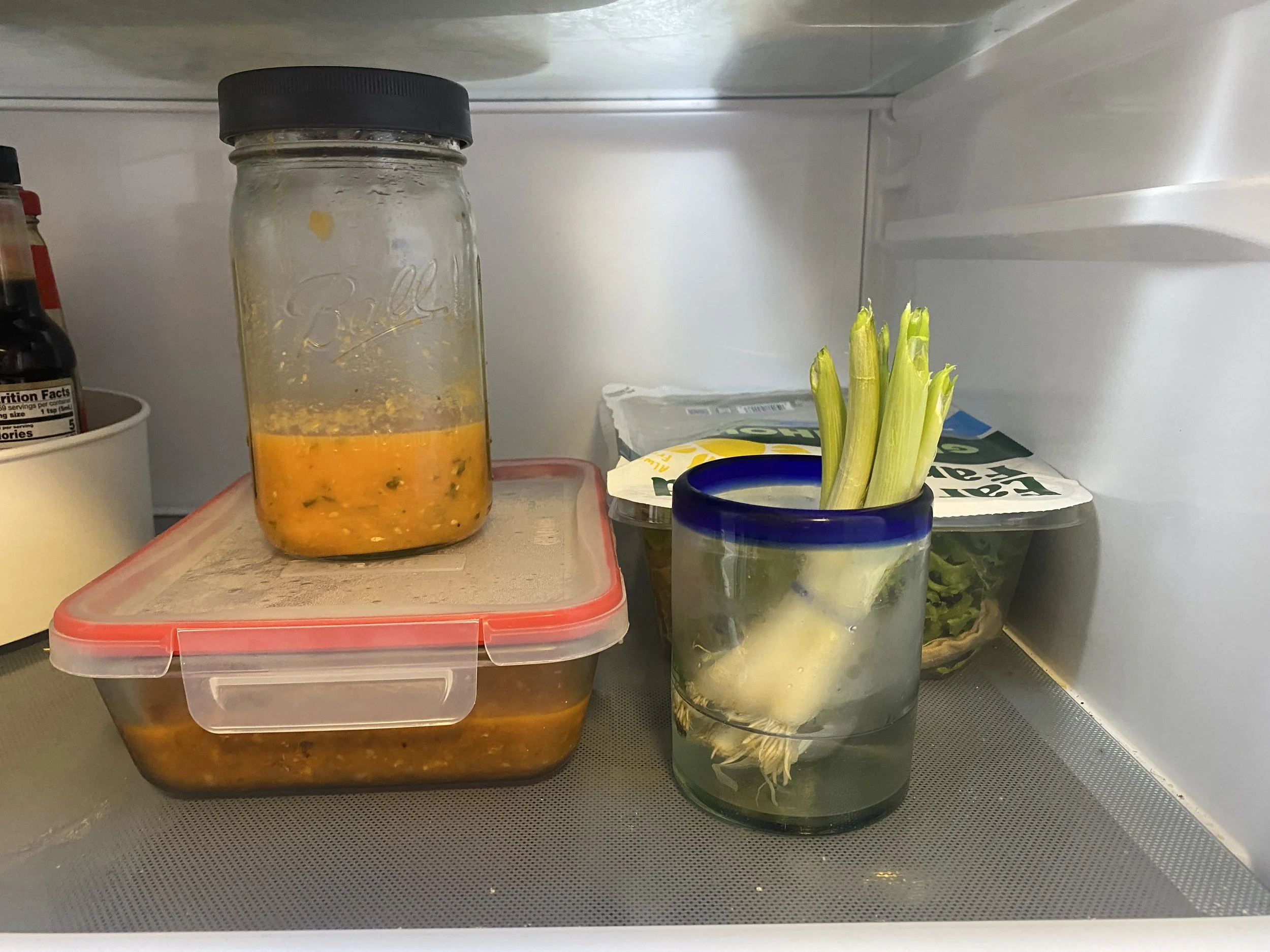
Once you bring your groceries home, make sure you are storing them properly so they last as long as possible. For dry goods, store them in an airtight container in a cool, dry place. Most vegetables thrive in the crisper drawer of the refrigerator. For leafy greens, we like to rinse and store them in a container with a cloth to absorb any liquid. This keeps the greens crisp, usually for over a week. Herbs, like parsley or cilantro, can be stored in a glass with an inch or two of water. Potatoes, garlic, onion, and unripe fruits can be stored on the counter or in a cool, dark place. Make sure to keep things like bananas, apples, and tomatoes, which produce ethylene, away from more sensitive items like lettuce, carrots, and broccoli to prevent them from spoiling faster. If you cut or peel any produce, store it in the fridge in a container to prevent spoiling.
A lot of food waste comes from leftover bits of food that didn’t get used in a recipe or eaten during a meal. By storing your items properly, you can hopefully incorporate those ingredients into new meals before they spoil. If you’re not sure how to store an item, look it up to see how to store it best. Most items can last a lot longer if you wash and store them properly.
Method 4: Freeze Leftovers or Extras
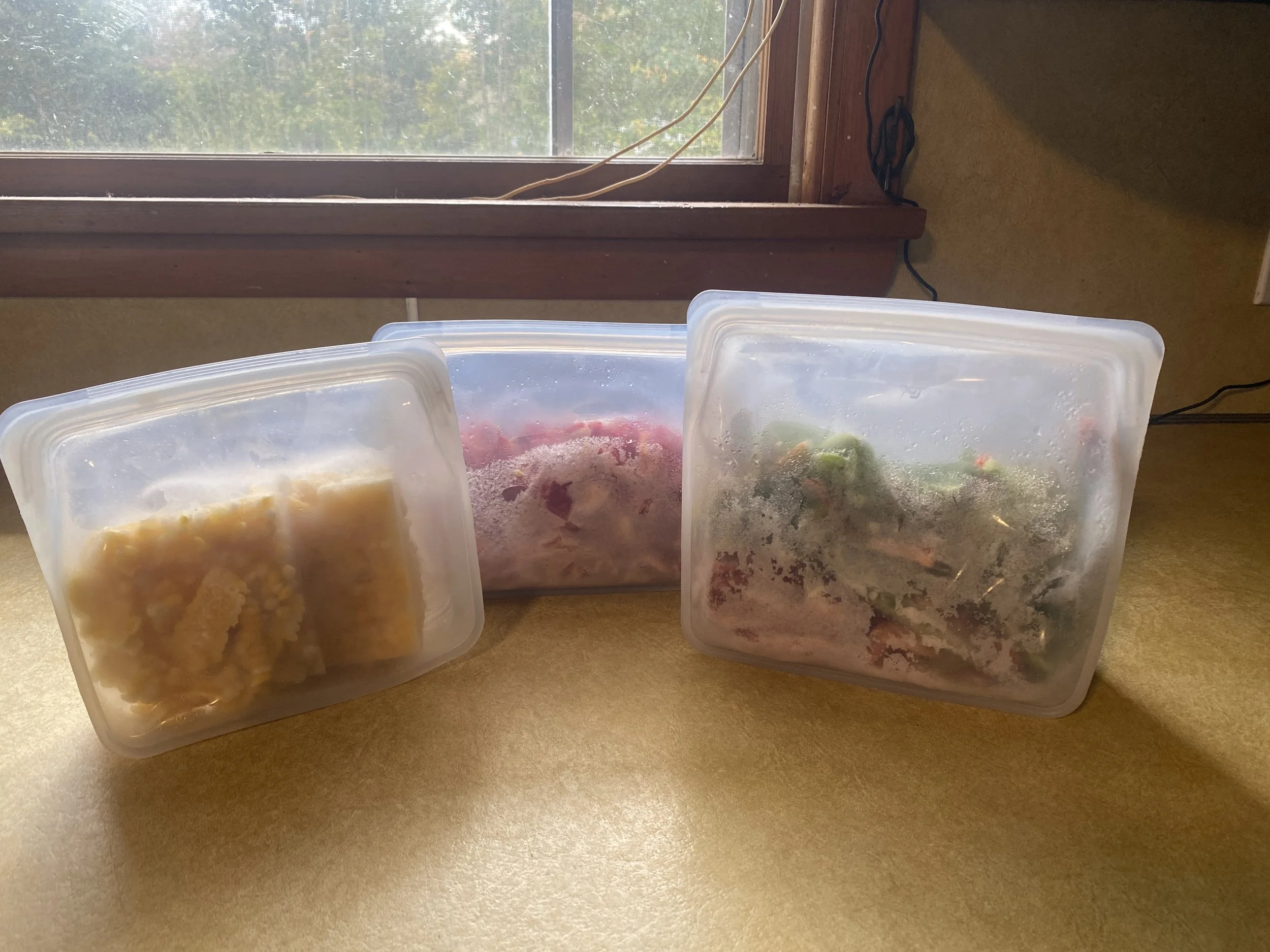
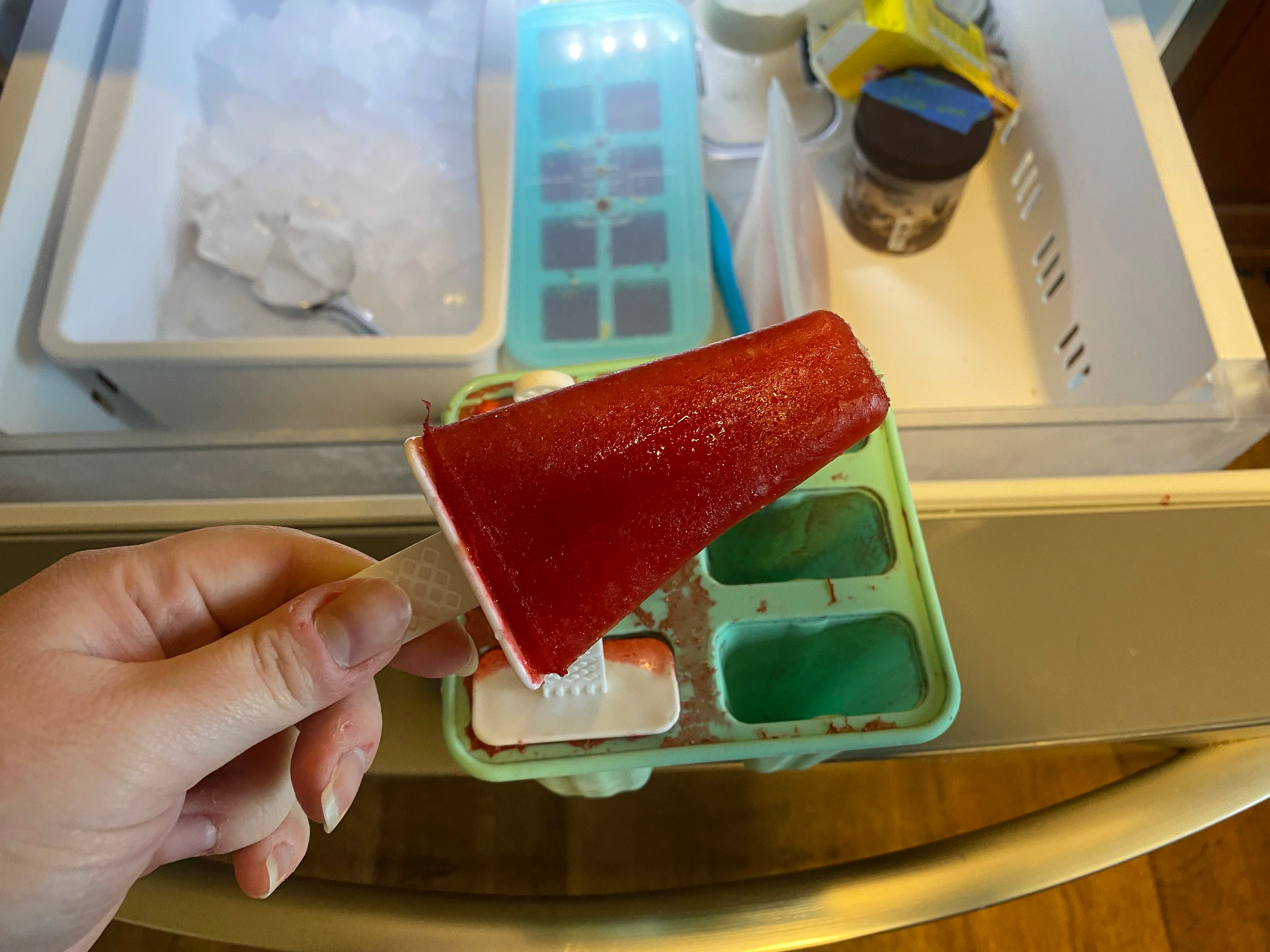
The freezer is one of our favorite tools for preventing food waste. It’s surprising how many foods will last in the freezer for months. For most recipes, we double them and freeze half to enjoy later. This helps us reduce how much we order food out and means we have healthy, delicious meals whenever we need them. If you have leftovers in your fridge that you don’t want, consider freezing them to have another day. Freezing is also a great option for fruits and vegetables that are starting to spoil. We love to freeze fruit to use for smoothies or popsicles. Some other popular things to freeze include bread, chopped onions and peppers, and veggie scraps. Make sure you label everything you put in the freezer. It’s not fun when you pull out a container of what you think is soup and it ends up being something entirely different.
Method 5: Cook with Food Scraps
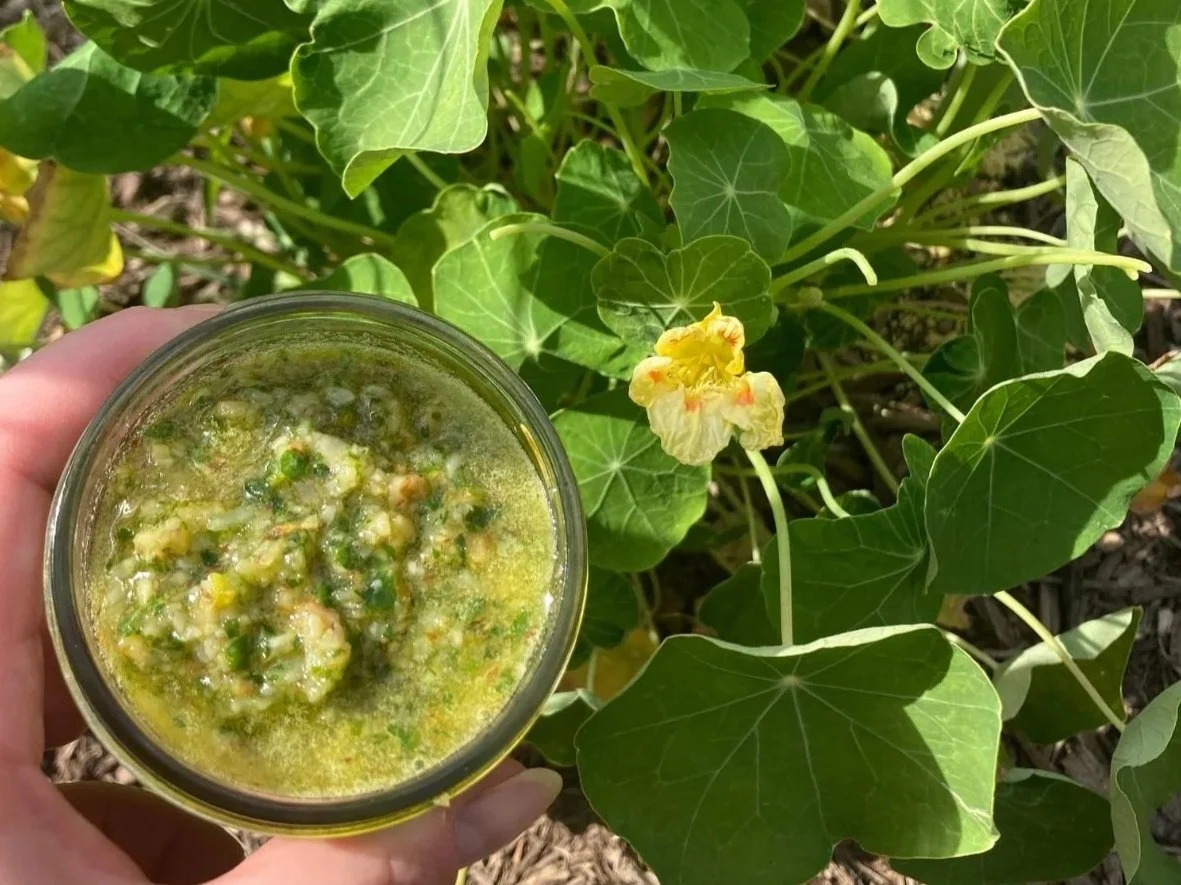
If you haven’t tried cooking with food scraps, you are missing out on a lot of delicious recipes. There are a ton of ways to repurpose food scraps. One of the easiest ways to do this is by making broth. Boil veggie scraps, like onion skins and carrot tops, with water for a few hours and you have homemade veggie broth. You can even add meat bones for more flavor. If you’re peeling potatoes, clean the skins and bake them to make potato chips. Citrus peels can be turned into household cleaners or holiday decorations. Spoiling fruit makes fantastic popsicles when blended with a little water and honey. Stale bread can be turned into croutons or french toast. The possibilities are endless with food scraps. You can even use food scraps for arts and crafts projects, like dying fabrics with onions skins or avocado peels.
Method 6: Compost Inedible Scraps
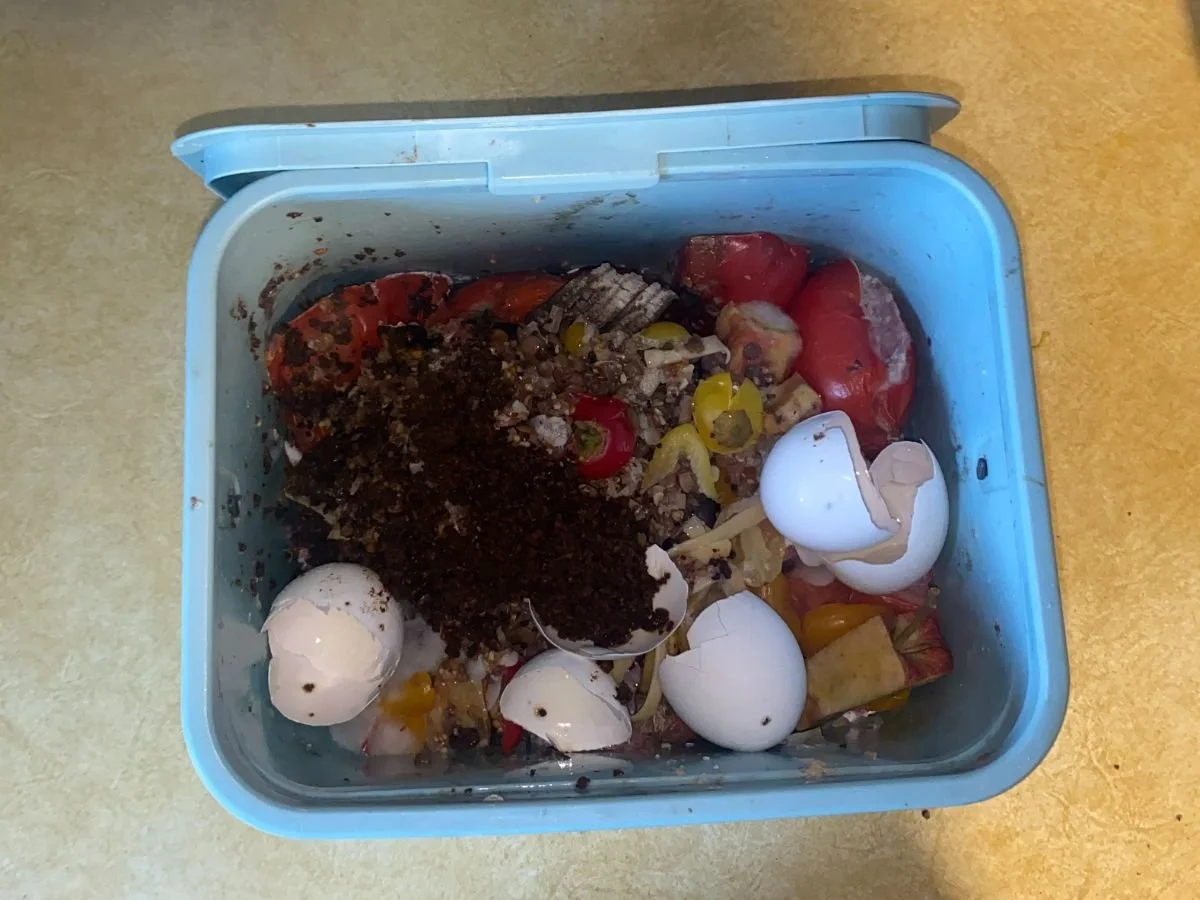
Even after repurposing food scraps, you will inevitably end up with some scraps that can’t be repurposed or consumed. Any scraps left are perfect for composting. Whether you throw them in a pile in your backyard, have a worm bin, or use a commercial composting service, composting food scraps allows them to break down naturally and prevents them from going to a landfill. Compost is great to add back to soil, where it replenishes essential nutrients so the soil is ready to grow more healthy plants. If you like to garden, a backyard compost bin is a good option for non meat and dairy food scraps. Commercial composting reaches higher temperatures, so it can handle breaking down meat and dairy scraps. Check your local area to see what composting services are offered or consider starting your own at home.
Remember that living a more sustainable lifestyle is not about perfection. It’s about small, actionable steps that can make big impacts. Reducing food waste is just one step in living a more eco-friendly lifestyle. Try out some of these methods for reducing your household’s food waste and let us know what you think.
You May Also Like
About the Authors
The Votana Garden began with a desire to live more sustainably and grow our own food, flowers, and herbs. We started with no experience and have learned one season at a time. We share tips and practical insights to help make gardening and sustainable living feel possible for everyone.

We wanted to find some vegetarian meals that we could easily make while we camp all across the U.S. We took three of our favorite meals from home and tried to make them on a campfire instead. If you're looking for quick, easy, and delicious vegetarian meals to make on your next camping trip, give these recipes a shot.