
Healthy Habits That Are Good For You And The Environment
Sustainable living isn’t about being perfect. It’s about small, actionable habits that you can do each day. Whether you are setting a New Year’s resolution or just want to be more sustainable, these healthy habits can be added into any lifestyle and will help you take care of yourself, y our family, and the environment, all at the same time.
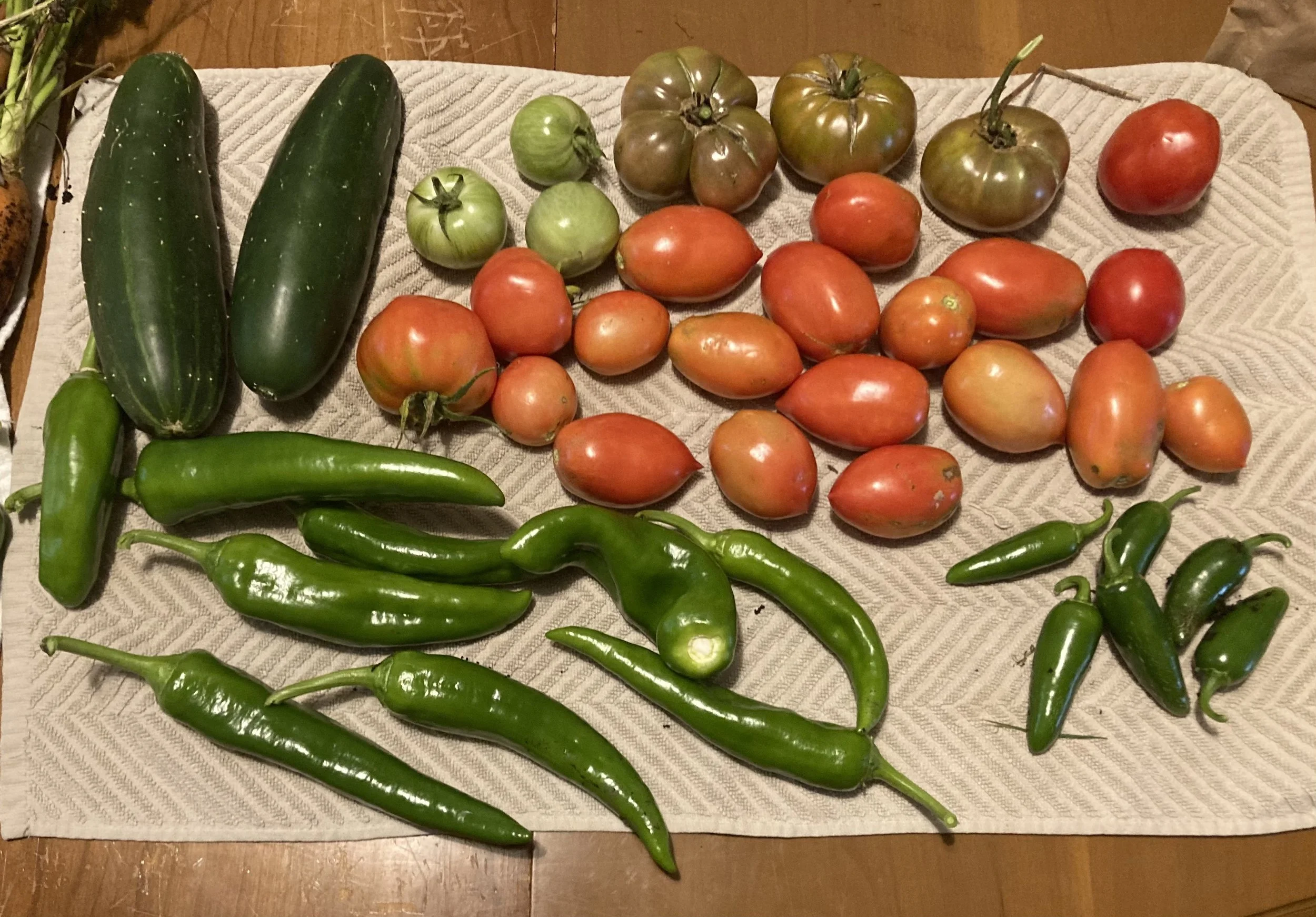
1. Eat Locally and In Season
Did you know fresh produce travels over 1,500 miles before being consumed in the United States, according to NCAT? Changing your eating habits to incorporate local food is one of the healthiest and easiest ways to help yourself and the environment. Even processed foods travel over 1,300 miles, so swapping any of your grocery purchases with local options will reduce the environmental impact of each shopping trip. When you eat locally, you’ll have access to fruits and vegetables that are in season for your specific area. With availability at grocery stores, a lot of us are not used to eating in season, but you will be surprised by the options you have when you look for local foods.
2. Incorporate Vegan and Vegetarian Meals
Animal farming has a massive environmental impact through gas emissions, land and water use, and pollution. By eating more vegan and vegetarian meals, you can easily reduce the negative environmental impact you have. You don’t need to switch to a 100% vegan/vegetarian diet, though it’s not as bad as it might seem. Try swapping one dinner a week or switch your coffee creamer for a vegan option. These small changes add up over time and can have a large impact when all of us are doing our part.
3. Cook More Homemade Meals
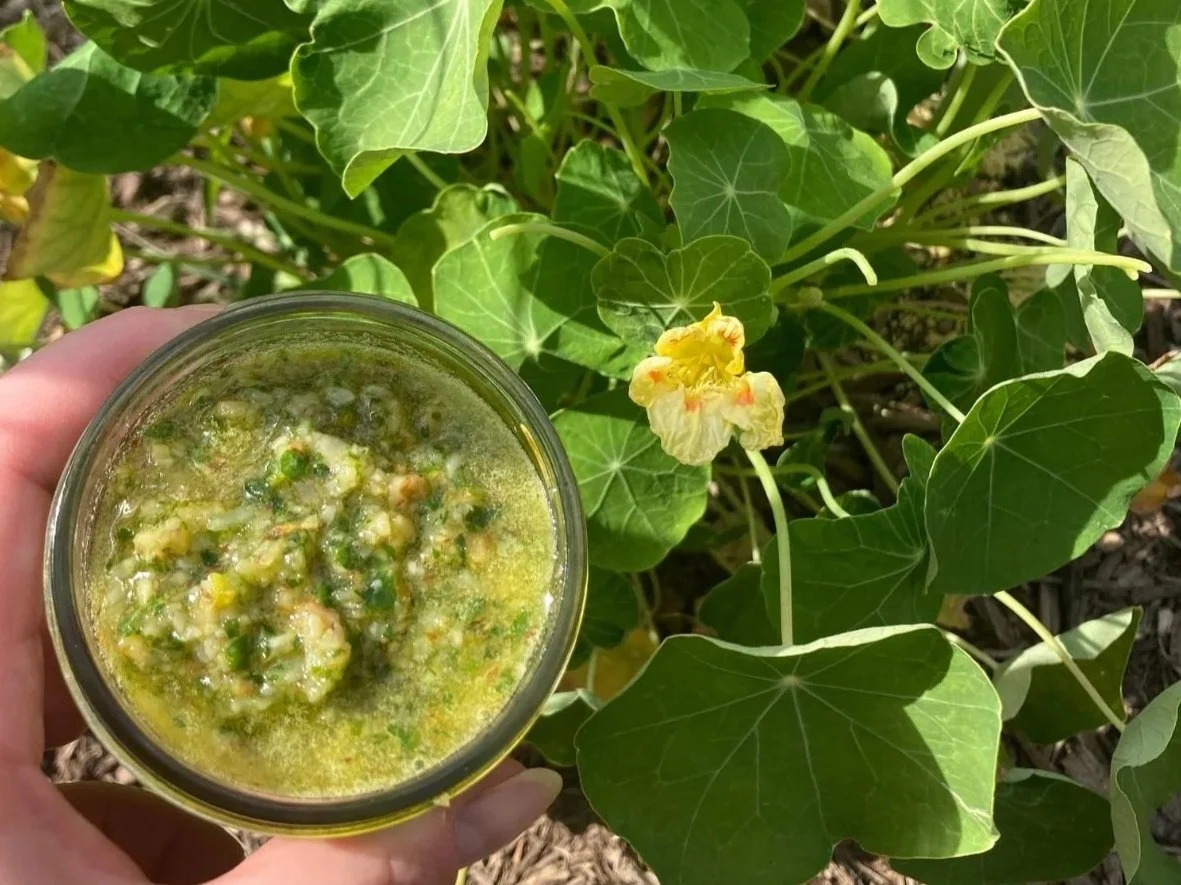
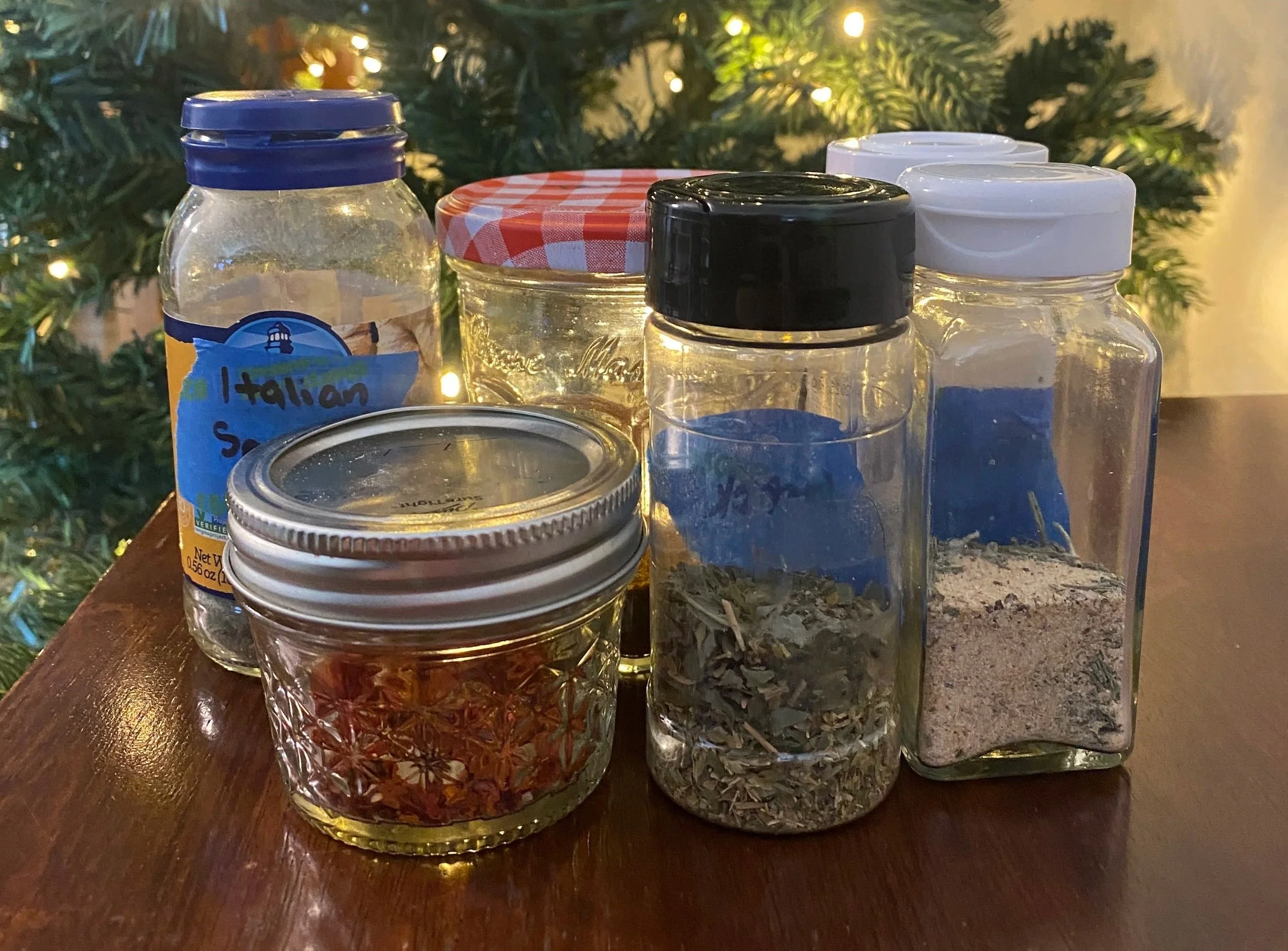
Cooking homemade meals usually means you are using more whole ingredients. Reducing your packaged food purchases can make a significant impact on the waste that is generated in your household. According to the EPA, containers and packaging make up a major portion of municipal solid waste, accounting for 82.2 million tons of waste in 2018. Add more homemade meals into your diet so you aren’t purchasing as many items with packaging. This is a great time to incorporate more vegan and vegetarian options, since they tend to rely heavily on produce, beans, and lentils. You can even try making your own spice blends, instead of purchasing those little plastic bottles. Check out the 5 seasoning blends we always keep on hand.
4. Start a Garden
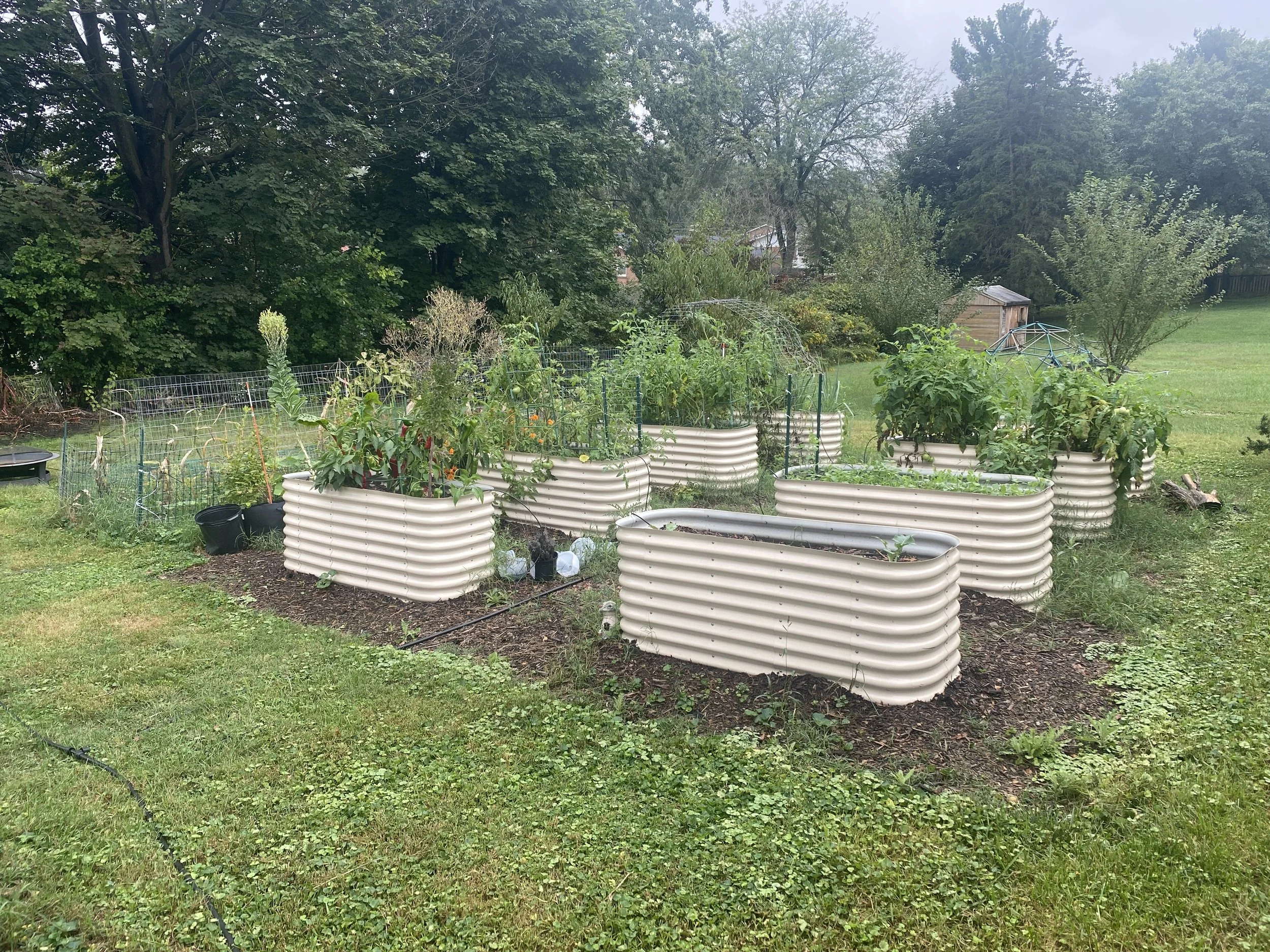
Gardening is not only a fun hobby, but it also gives you delicious food, supports your local habitat, and positively impacts the environment in numerous other ways. By growing your own food, you are limiting the distance your food needs to travel before being consumed to just a few feet. You will also open yourself up to other plant varieties that grow well in your area and in that specific season. Gardening is a fantastic way to explore new fruits and vegetables that aren’t sold at your local grocery store. Produce in stores is often selected based on what will store well long term, so there is less waste and no wasted profit for companies. Taking your food out of this supply chain opens you up to more delicious food options. If you don’t believe me, try an heirloom tomato from a farmer’s market and see how it compares to your grocery store’s tomatoes. Gardens also provide food and shelter to local wildlife, which is a great way to support good biodiversity in your area.
If you’re already interested in gardening, try incorporating other sustainable habits, like composting and preserving food. Find out which sustainable garden habits we use in our own garden.
5. Add Native Plants to Your Space
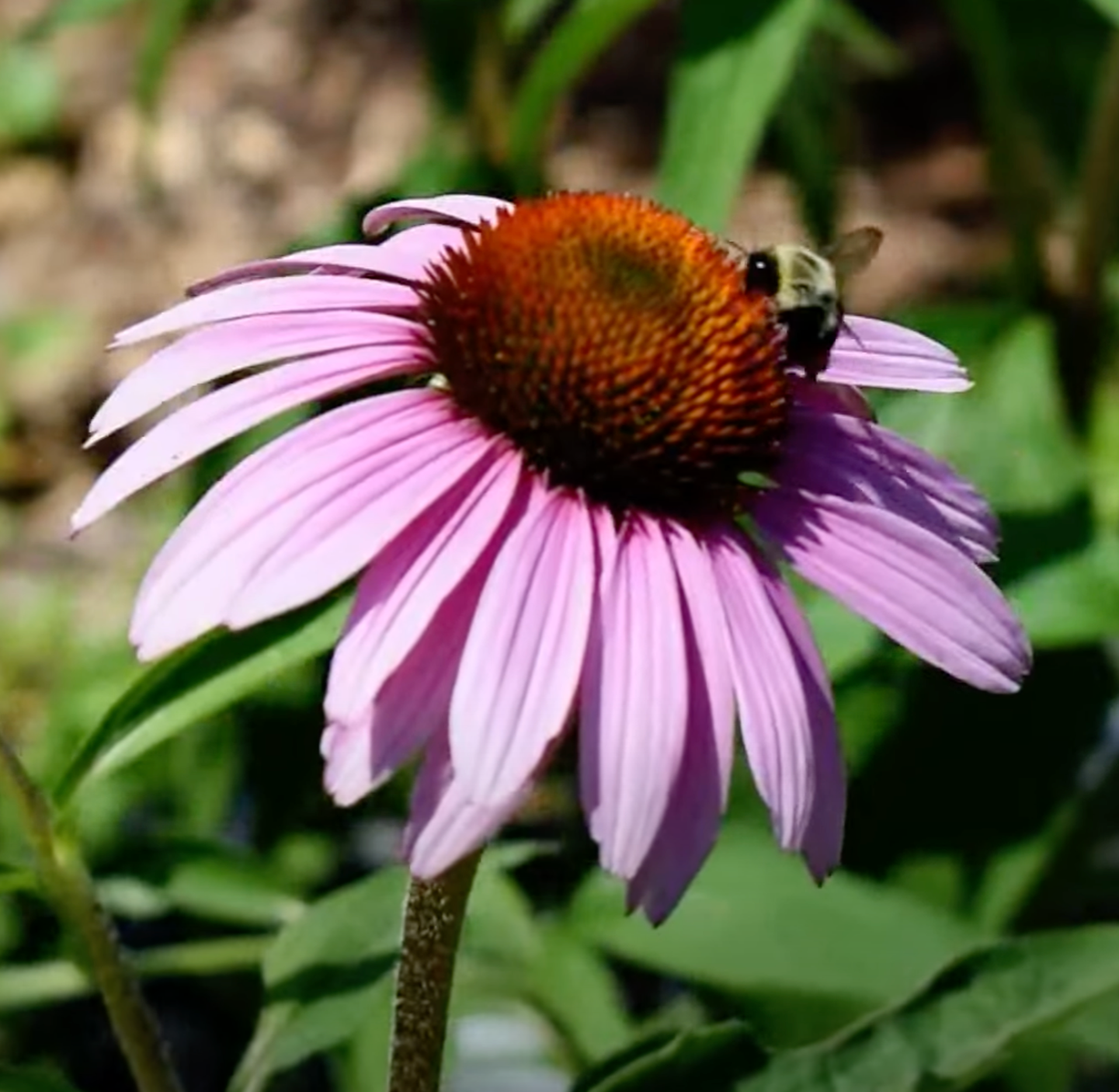
If you have some space to add plants to your yard or inside your house, adding native plants is a fantastic way to support local wildlife and add some beauty to your space. Native plants are those that are well acclimated to your area, meaning they will grow easier than other plants and aren’t considered invasive. Every area has a long list of native plants, whether they are trees, flowers, or bushes. Check out your local garden store or look up native plants for your USDA agricultural zone and consider adding a few to your space. We love to add native flowers to our yard each year. Perennial natives are especially nice to have, since they establish themselves and require little attention from us each year.

6. Collect Rainwater
Collecting rainwater is something we started after we planted our garden. Gardens and plants in general require frequent watering, especially if you don’t live in a rainy climate. Collecting rainwater can be as easy as putting a bucket out when it rains or you can set up a more complex system. We repurposed food grade barrels and turned them into rainwater collection bins that connect to the gutters on our house. It’s an easy way to collect water quickly and it can cover almost all of our watering needs for the garden. Remember that rainwater you collect is not safe to drink without filtering it. We only use our rainwater for our garden, but there are systems you can set up for different purposes.

7. Repurpose Items
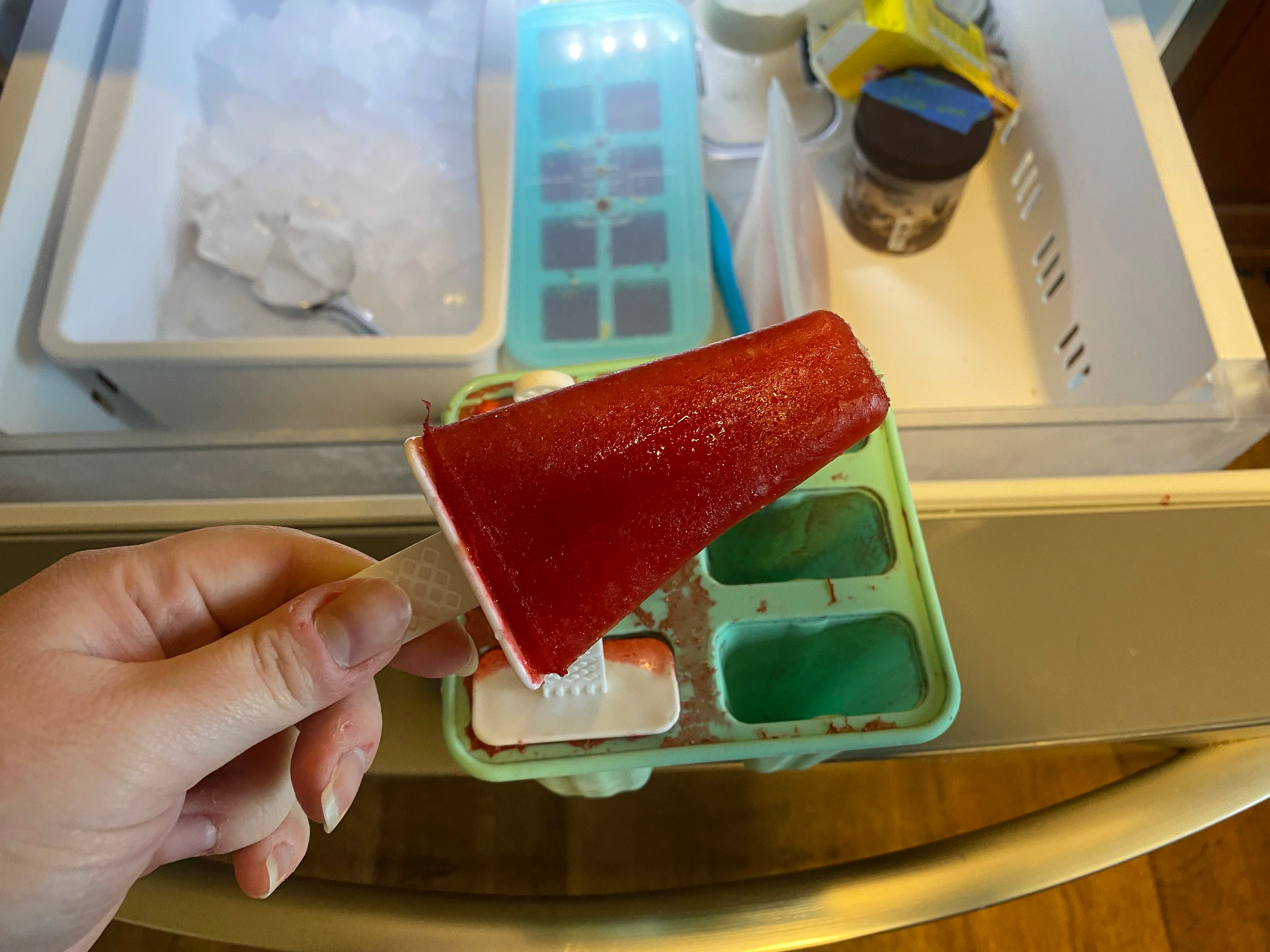
Repurposing items is an easy and free way to be more sustainable. You can repurpose almost anything with a little creativity. Some of our favorite items to repurpose include prescription bottles for plant seed storage, ice cream containers for snack storage, or large boxes for packing things away. If you need drawer organizers, small boxes or jars can work great. Some items can even be repurposed for the garden. Check out 7 items to repurpose in the garden for some more ideas. Most cardboard can even be added to your compost pile to break down naturally. Whenever you have packaging you plan to throw away, think about how you could repurpose it or break it down more naturally.
8. Use Eco-Friendly Products
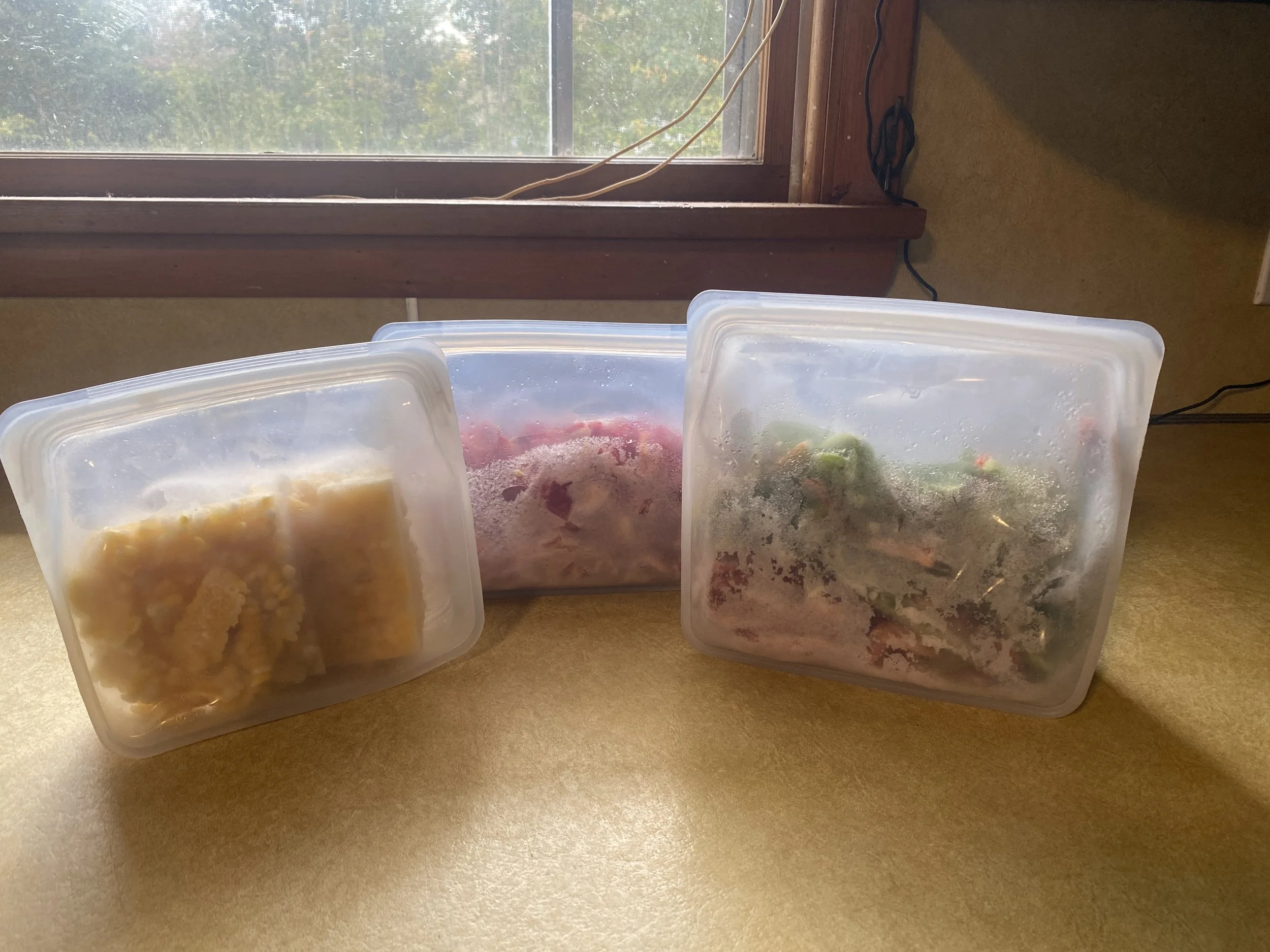
While repurposing items is great, sometimes you still need to purchase new items. Being more sustainable doesn’t mean never buying new products. It’s about being more intentional with your purchasing. Next time you’re looking to buy something, see if there is an eco-friendly version or a product available from a sustainable company. You may be surprised by how many eco-friendly alternatives exist. Some of our favorites include silicone Stasher bags to replace plastic bags, biodegradable dog poop bags, and bamboo toothbrushes.
9. Give Homemade Gifts
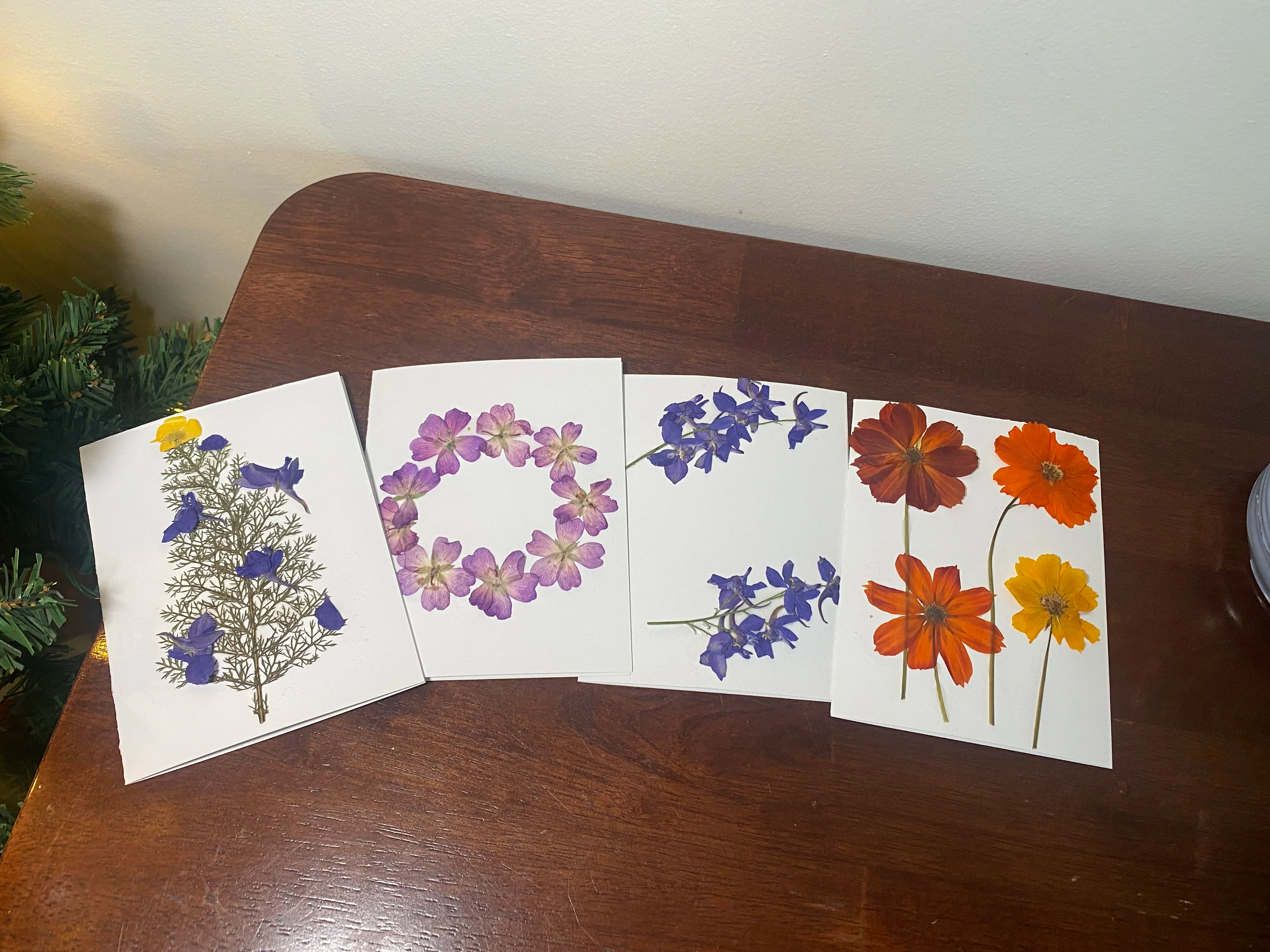
Giving homemade gifts is one of my favorite ways to live more sustainably. While it takes jmore time and effort than buying a gift from the store, it often leads to more meaningful gifts that show someone how much I care about them. There are a lot of different homemade gifts you can make, including edible gifts, artwork, or experiences. I love to bake everyone’s favorite dessert for the holidays each year. We also give more artsy items that we worked on over the year, like drawings, paintings, or pressed flower art. You can even plan out an experience for someone, which can be totally free while still being very thoughtful. Gifting shouldn’t be about how much money you spend on someone. It’s about giving thoughtful gifts that show your love and appreciation for someone.
Remember that being sustainable isn’t about changing every aspect of your life to be perfectly environmentally friendly. That is an unrealistic goal. Making small changes each day can reduce your carbon footprint, limit pollution, and make a dent towards a future that includes a healthier planet. If you plan to incorporate any of these habits into your life, start small and adjust things to fit your lifestyle.
You May Also Like
About the Authors
The Votana Garden began with a desire to live more sustainably and grow our own food, flowers, and herbs. We started with no experience and have learned one season at a time. We share tips and practical insights to help make gardening and sustainable living feel possible for everyone.

We wanted to find some vegetarian meals that we could easily make while we camp all across the U.S. We took three of our favorite meals from home and tried to make them on a campfire instead. If you're looking for quick, easy, and delicious vegetarian meals to make on your next camping trip, give these recipes a shot.